Have You Heard About Pyrography?
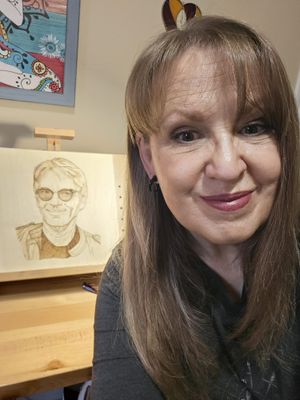
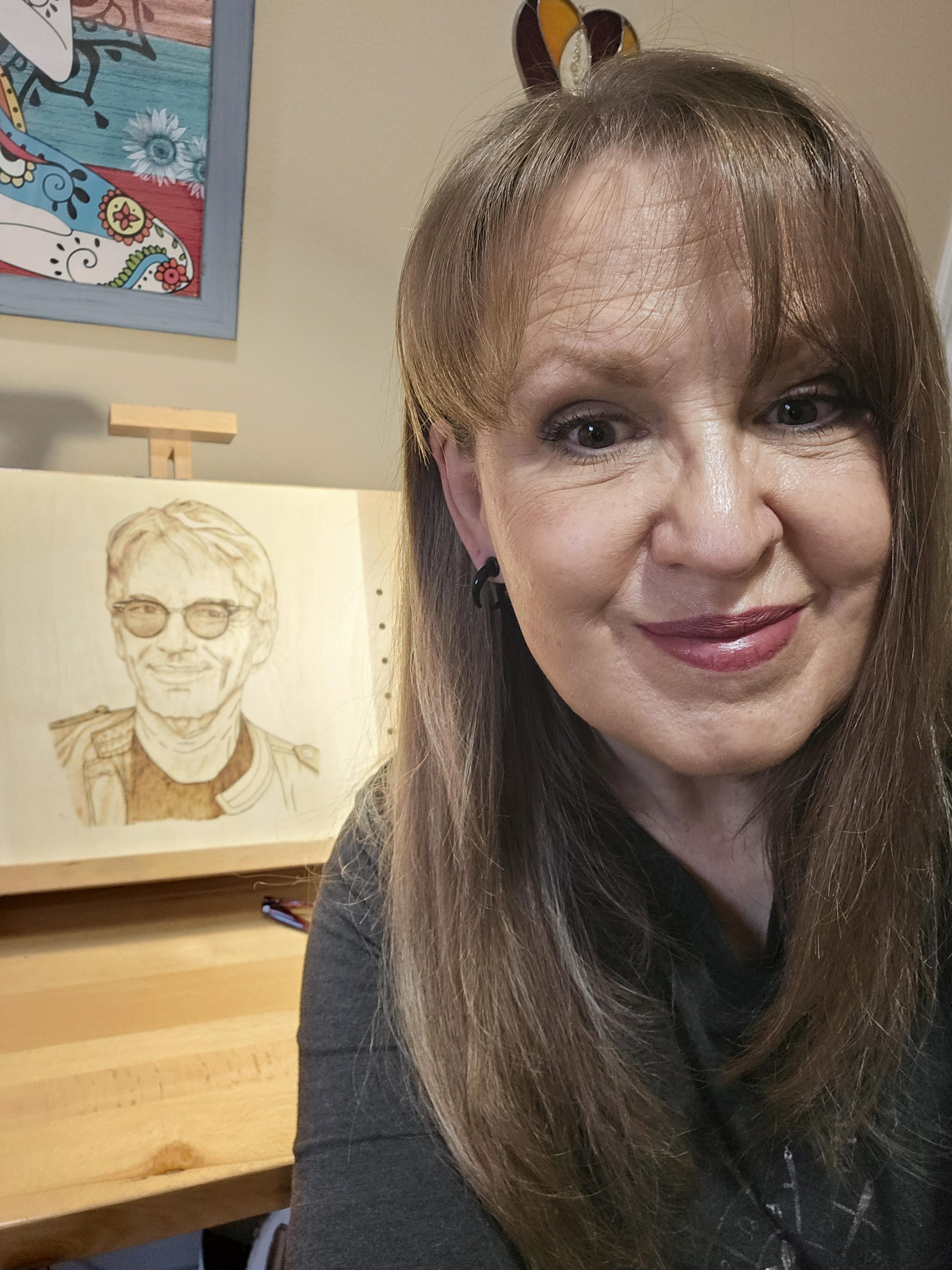
As a professional pyrographer for more than 20 years, the most common response I get when using the official term for my work is a blank stare.
And then, I proceed to explain.
So, What Is Pyrography?
Pyrography is the art of decorating wood, leather, or other materials with burn marks created by a heated tool, typically a poker-like instrument called a pyrography pen. The word "pyrography" comes from the Greek words "pyro," meaning fire, and "grapho" meaning to write.
Pyrography involves using heat to burn designs or patterns into the surface of the material. An artist can create lines, shading, and even intricate details by varying the temperature and pressure of the tool. Different types of wood and other materials can produce different effects, and the artist may use different tips and techniques to achieve a variety of results.
History of Wood Burning Art
Pyrography has a long history and has been practiced in various forms throughout the world for centuries. It has been used for practical and artistic purposes, including carving signs, decorating furniture, and creating fine art pieces. Today, pyrography remains a popular hobby and artistic medium.
Here are a few examples of pyrographic uses:
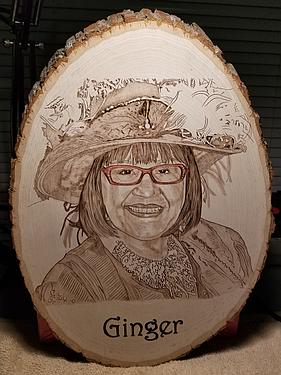
Art: Pyrography is often used as a medium for creating fine art. Pyrographers can create detailed designs and images on wood, leather, and other materials. These works of art can range from realistic portraits to abstract patterns and designs.
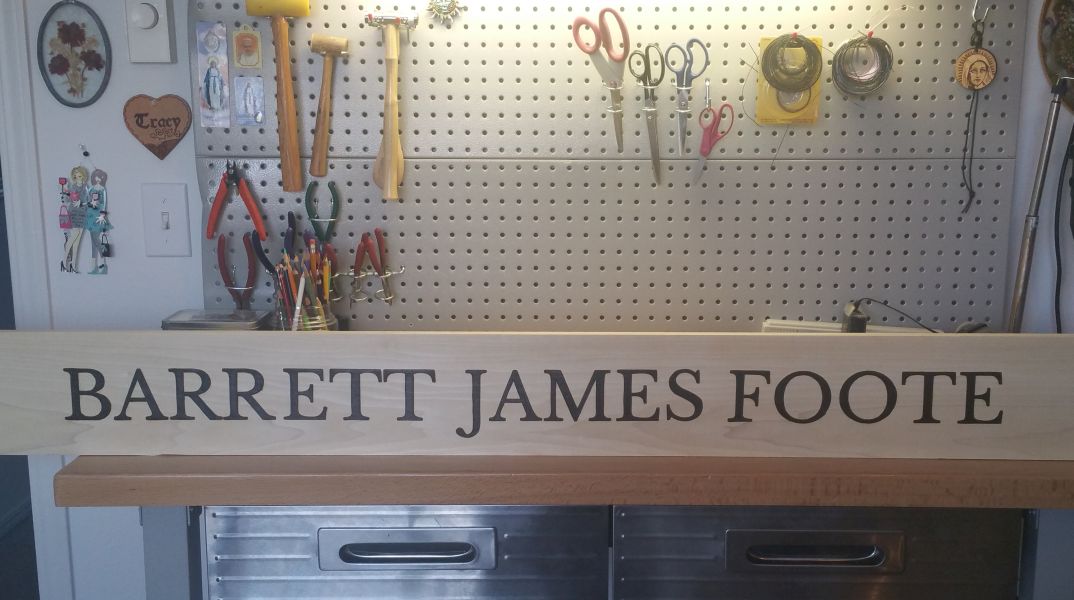
Craft: Pyrography is also used for a variety of craft projects. Pyrographers can create custom signs, keychains, and other small items that can be sold at craft fairs or online marketplaces.
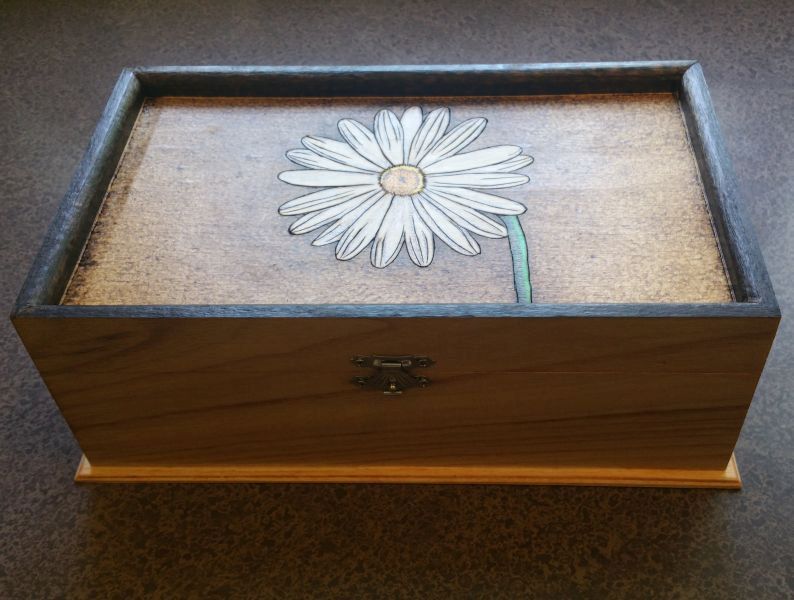
Decorative: Pyrography is a popular technique for decorating wood furniture and other items around the home. It can be used to create intricate patterns and designs on picture frames, jewelry boxes, and other decorative items.
Restoration: Pyrography can be used to restore antique wood items such as furniture or picture frames. Pyrographers can use their skills to recreate missing or damaged sections of the item, making it look as good as new.
Overall, pyrography is a versatile technique that can be used for various purposes. It requires a steady hand, attention to detail, and a lot of patience, but the results can be truly stunning.
How Much Money Can a Professional Pyrography Artist Make?
The amount of money a professional pyrographer can earn varies widely depending on several factors, including their skill level, the demand for their work, and the market they are working in. Some pyrographers may be able to make a living solely from their artwork, while others may supplement their income by teaching classes or selling their work at craft fairs or online marketplaces.
According to Payscale, the average hourly rate for a pyrographer in the United States is around $16. However, this can range from $10 to $29 per hour, depending on factors such as experience, location, and type of client. Some highly skilled pyrographers are able to charge significantly more for their work, especially if they have established a reputation for producing high-quality pieces. (Visit my website to learn more.)
It's worth noting that becoming a professional pyrographer can take time and effort. Building a portfolio, establishing a brand, and cultivating a customer base can take years and may require significant time and money. Ultimately, the earning potential of a professional pyrographer will depend on their individual circumstances and the level of success they are able to achieve.
Work Satisfaction of Professional Pyrographers
Beyond the money, it's difficult to say exactly how happy other pyrography artists are, as individuals can have a wide range of emotions and experiences, and this can be influenced by many factors beyond their art form. However, it is worth noting that many artists find creating art to be a fulfilling and rewarding experience.
I know that’s true for me.
Pyrography, like other forms of art, can be a vehicle for self-expression and a way for artists to connect with their inner selves. It can also provide a sense of accomplishment and satisfaction when a piece is completed, as well as recognition and appreciation from others who enjoy and appreciate their work. Furthermore, the process of creating pyrography art can be meditative and relaxing, which can contribute to a sense of well-being and happiness.
That being said, like any pursuit, there may be challenges and setbacks in the pyrography art world, such as difficulty in attaining recognition or financial success, which can impact an artist's happiness. It's also important to note that everyone's experience is unique and individual, and factors such as mental health, personal circumstances, and other aspects of life can all have an impact on an artist's overall happiness.