
The Garden Calls You Back: Clearing, Planting & Blooming
I’ve spent the last few days outside, and my whole soul feels better for it.
The flower beds had been waiting on me all winter — patient, a little wild, full of the dry, brittle remnants of last year’s growth. So I finally got out there with my gloves and pruning shears and started pulling old plants. I dug out weeds that had quietly made themselves at home during the cold months. I got the hose and gave everything a long, deep drink of water — the kind that soaks all the way down to the roots.
And then, the best part: I planted wildflower seeds.
I’ll be honest, I don’t entirely know what’s going to come up. That’s kind of the whole point. There’s something so freeing about scattering a seed mix and just… letting it be a surprise. Some of them will thrive. Some won’t. But the anticipation of watching that patch of ground over the coming weeks? It fills me with excitement over what's to come.
If you read yesterday’s Oracle post — about The Star card and spring renewal — you’ll know that this kind of tending, this patient, hopeful act of clearing the old and making room for the new, is exactly the energy we’re sitting in right now. The garden is just the most literal version of it.
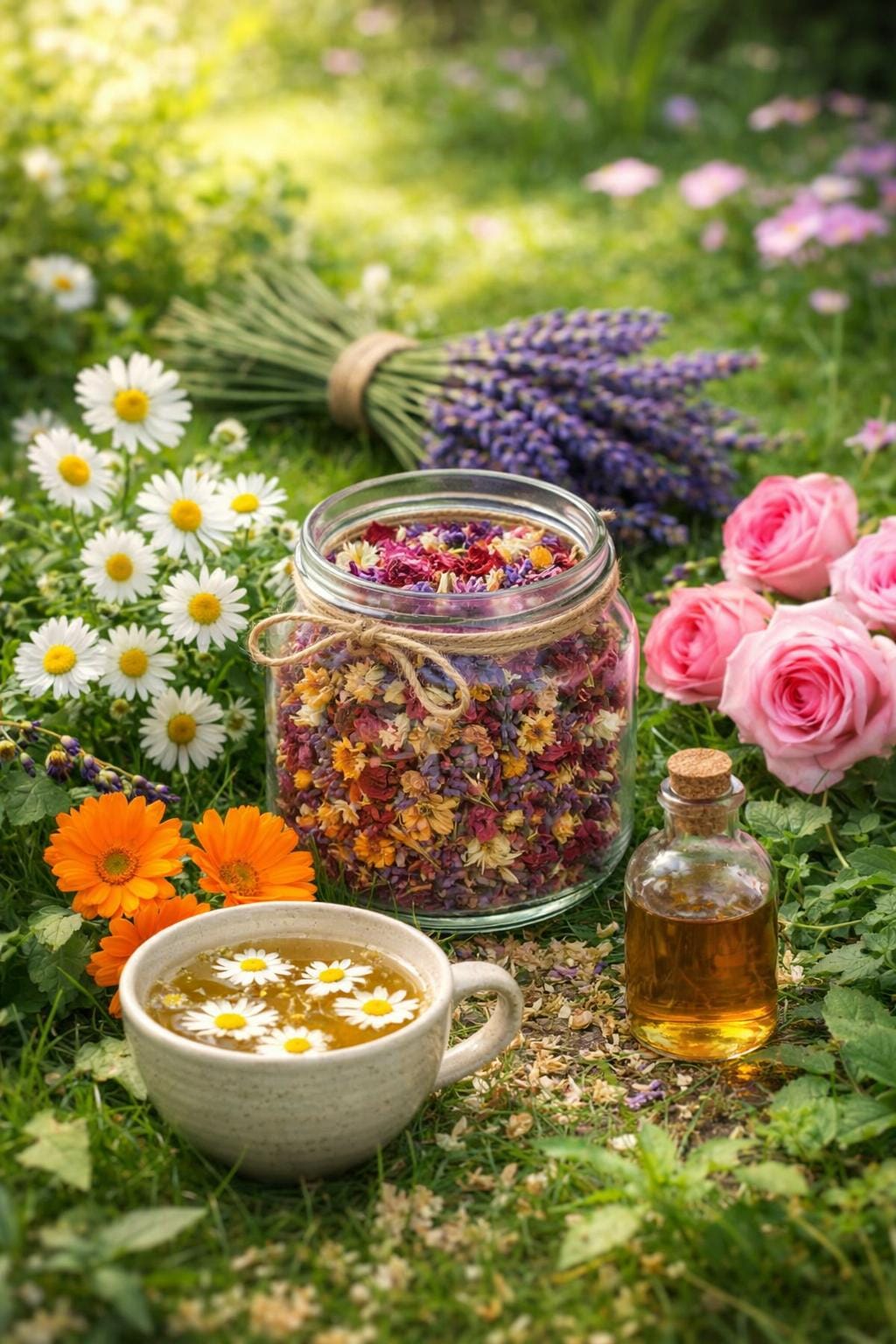
So today I want to talk about that: the before and the after. The clearing work that nobody photographs but everyone who gardens understands. And then — the fun part — four flowering herbs that I want you to consider adding to your beds this spring. They’re beautiful in the yard, wonderful in your teacup, and when their season is done, they dry into the most gorgeous potpourri ingredients you can imagine.
First, the Clearing
I know it’s tempting to skip straight to the planting. Seed packets are exciting. Dead stalks are not. But I promise you, the time you spend clearing and preparing your beds is the thing that makes everything else possible.
Pull out last year’s growth. Break up the soil a little. If you have compost, now is the time — work it in and let the earth wake up properly. And then just walk around and look for a while. There's something surprising about that first real garden walk of the season: a perennial that overwintered better than expected, an early bulb already pushing through, a patch of soil that’s in better shape than expected.
The garden has its own wisdom. The clearing is how you begin to understand it.
Four Flowering Herbs Worth Planting This Spring
These are four amazing herbs that pull triple duty as garden beauties, daily wellness allies, and future potpourri ingredients. I love plants that give you something at every stage of their life, and these four absolutely deliver.
Chamomile (Matricaria chamomilla)
Chamomile is one of those plants that makes you feel like a capable gardener, even if you’re not sure you are yet. It’s generous to a fault — it self-seeds, it blooms in waves, and it smells like warm apples and honey every time you brush past it. Scatter seeds directly in your beds after the last frost, barely covering them (they need light to germinate), and let them do their thing. By early summer, you’ll have more tiny daisy-like flowers than you know what to do with. That’s a good problem to have.
In your teacup: Harvest the fully open flower heads in the morning, dry them on a screen or cloth for about a week, and you have one of the most calming teas in the herbal world. A small handful, steeped covered for five minutes in nearly-boiling water, with a spoon of raw honey — it’s a ritual as much as a remedy. Perfect for restless evenings.
In your potpourri: Dried chamomile flowers are sweet, soft, and long-lasting. They blend beautifully with lavender and rose petals and make any mix feel a little more… cottagecore. In the best way.
Lavender (Lavandula angustifolia)
Lavender is the slow burn of the herb garden. It takes a season to really settle in, but once it does, it’s yours for years. I’d recommend starting with transplants rather than seed — lavender from seed is a patience game that’s not always worth it. Give it the sunniest, best-drained spot you have. It doesn’t like wet feet, loves a little lime in the soil, and will absolutely reward you with those tall purple spires that make every bee in the neighborhood feel welcome.
In your teacup: Go easy with lavender — a teaspoon of dried buds is plenty, any more can lean into soapy very quickly. It's delicious paired with lemon balm and a strip of lemon peel for an afternoon blend that feels genuinely calming. Or try a lavender-honey simple syrup stirred into cold water on a hot day. So good.
In your potpourri: Lavender is the backbone of almost every blend. Bundle fresh stems, hang them upside down in a warm, dark corner, and once dry, either strip the buds into a jar or keep the bundles whole as a display. Add orris root powder to fix the scent, and it’ll last for months.
Calendula (Calendula officinalis)
If you want a plant that truly earns its place, grow calendula. The flowers are big and bold — deep orange and golden yellow, open wide in the sun — and they bloom so prolifically that you almost have to stay on top of harvesting just to keep up. Sow seeds directly in early spring, about a quarter inch deep. Calendula is frost-tolerant, which means you can often get it in the ground earlier than you’d think, and it’ll keep blooming well into fall if you deadhead regularly.
In your teacup: Calendula petals brew into a golden, mildly earthy cup that’s lovely blended with rose hip and hibiscus for color and a little tartness. It’s long been used as a tonic for digestion and skin health — and the petals are also wonderful stirred into broths and grain dishes. There’s a reason it’s been called “pot marigold” for centuries.
In your potpourri: The dried petals hold their orange and gold color beautifully, which makes them as valuable for visual texture as for fragrance. I love layering them into a blend with lavender and chamomile for something warm and autumnal, or pairing them with dried orange peel and cinnamon for a more spiced winter mix.
Rose (Rosa spp. — especially R. rugosa & R. gallica)
I want to make a case for growing old-fashioned roses if you haven’t yet. Not the fussy hybrid teas that need constant attention and still look sulky — I mean the tough, fragrant, practically-wild varieties like rugosa, gallica, and damask. These are working roses. They’re thorny and a little unruly, and they smell absolutely incredible. Plant bare-root roses in early spring while the soil is still cool, give them sun and air circulation, and mostly just leave them alone. By midsummer, you’ll be harvesting petals at dawn.
In your teacup: A handful of fresh rose petals or a tablespoon of dried, steeped gently, makes a delicate, floral cup that’s lovely for the nervous system. Add dried hibiscus for depth and color. And don’t forget the rose hips in autumn — tart, ruby-red, and genuinely one of the best natural sources of vitamin C you can grow yourself.
In your potpourri: Rose petals are the heart of everything. Harvest them just as the blooms are opening, spread them in a single layer, and dry them slowly out of direct sun to keep both the color and the essential oils intact. A blend of rose petals, lavender, orris root, and just a hint of clove or cardamom is a classic you can make every single year.
A Spring Garden Tea Blend
To brew while your garden finds its footing
• 2 tsp dried chamomile flowers
• 1 tsp dried calendula petals
• ½ tsp dried lavender buds
• 1 tsp dried rose petals (or a small handful fresh)
• Optional: a strip of lemon peel, a pinch of dried lemon balm
Combine in a tea strainer or loose-leaf pot. Pour water that’s just under boiling — around 200°F — over the herbs and steep covered for 5–7 minutes. Covering the cup keeps the volatile oils in the tea instead of floating off into the air, and you’ll taste the difference. Sweeten with raw honey. Drink somewhere you can see the garden.
A Simple Floral Potpourri Blend
Start collecting now — you’ll be blending this in late summer when the harvest is full
• 1 cup dried lavender buds
• ½ cup dried rose petals
• ¼ cup dried chamomile flowers
• ¼ cup dried calendula petals
• 2 tbsp orris root powder (this is your fixative — don’t skip it)
• 10 drops lavender essential oil
• 5 drops rose absolute or rose geranium essential oil
• Optional: dried orange or lemon peel, a cinnamon stick, a few whole dried rosebuds
Mix the essential oils into the orris root powder first, then toss everything together gently. Seal it in a jar and let it cure for 4–6 weeks, giving it a gentle shake every few days. The waiting is the hardest part, but the end result — a fragrant, layered blend that fills a room just by sitting in a bowl — is absolutely worth it. Tuck into sachets, display in open dishes, or give away in little jars as the most thoughtful homemade gift.
On Tending & Trusting
Here’s what I keep coming back to as I work in my garden this week: there’s a particular kind of optimism in doing this. You plant something knowing you’ll have to wait. You clear something without knowing exactly what will grow in its place. You scatter wildflower seeds and genuinely don’t know what’s coming.
That’s The Star energy, if you were with me yesterday. Not certainty. Just clear-eyed, steady, patient hope. You show up. You do the work with your hands. And then you trust the ground.
Whatever your garden looks like this spring — a big yard, a few raised beds, some pots on a porch or a fire escape — I hope you find a little time this week to get your hands in it. Start somewhere. Clear something. Plant something. The rest has a way of following.
Next week in The Apothecary: We’ll be talking about herbal vinegars and oxymels — fire cider, shrubs, and herbal honeys. The ancient art of preserving plant medicine in ways that are as beautiful as they are useful. You won’t want to miss it.
P.S. — If you’re loving this kind of content and want more...
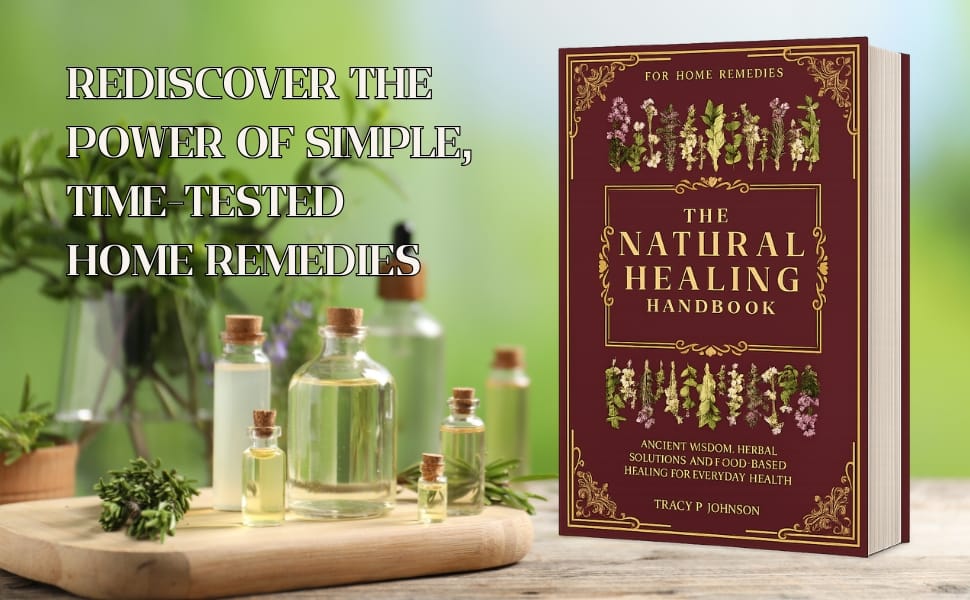
My book, The Natural Healing Handbook for Home Remedies, is filled with recipes, herbal healing wisdom, and practical kitchen apothecary knowledge. It’s the sort of beautiful, useful volume that deserves a permanent spot on your kitchen counter — always within reach, always ready to inspire.
Until next time — may your hands be in the soil and your kettle always warm.
With love from the kitchen,
Tracy